Skip to content
Elite Offshore Academy

STCW MTC, MLC 1.3 & 3.2 Compliant – Offshore, Marine & Industrial Trainer

  • Home
  • Services
    • NORM Waste Disposal
    • Magnetic Compass Adjuster
    • OIM License
  • Gallery
  • Contact
  • Overseas Students
  • Verify Certificate
Elite Offshore Academy

Offshore Oil & Gas Training

Published 23/09/2024

The Role of an Offshore Maintenance Supervisor

Role of an offshore Maintenance Supervisor

The offshore oil and gas industry relies heavily on the smooth and efficient operation of complex machinery and equipment to keep production moving safely and profitably. At the heart of this system is the Offshore Maintenance Supervisor, a critical role responsible for ensuring the integrity and functionality of offshore installations. In this blog, we’ll take an in-depth look at the responsibilities of an Offshore Maintenance Supervisor, the skills required to succeed, and the career opportunities available in this essential field.

What Does an Offshore Maintenance Supervisor Do?

An Offshore Maintenance Supervisor is tasked with overseeing the maintenance and repair activities on offshore platforms, including drilling units, production platforms, and support vessels. They ensure that all mechanical and electrical systems are operating efficiently, preventing equipment failures that could result in downtime or dangerous situations.

Key responsibilities include:

  1. Managing Maintenance Teams
    The supervisor leads a team of mechanics, electricians, and engineers, delegating maintenance tasks and providing guidance to ensure that all work is completed to industry standards.
  2. Routine Inspections and Preventive Maintenance
    To minimize the risk of equipment failure, the Offshore Maintenance Supervisor coordinates regular inspections of machinery and systems. They also implement preventive maintenance schedules to extend the life of critical assets.
  3. Handling Repairs and Emergencies
    Offshore environments can be unpredictable. When machinery breaks down or fails unexpectedly, the supervisor must quickly coordinate repairs, often in challenging and high-pressure conditions.
  4. Equipment Troubleshooting
    Offshore installations are complex, and when problems arise, the supervisor must diagnose and troubleshoot issues to get systems back online as quickly as possible, ensuring minimal disruption to operations.
  5. Safety Compliance
    Offshore work is inherently risky, and maintaining safety is a key part of the job. The Offshore Maintenance Supervisor ensures that all maintenance activities comply with safety regulations and that all crew members adhere to best practices for safe operation.

Skills Required for an Offshore Maintenance Supervisor

Becoming a successful Offshore Maintenance Supervisor requires a combination of technical skills, leadership, and a thorough understanding of offshore operations. Key skills include:

  • Mechanical and Electrical Engineering Knowledge
    A deep understanding of the mechanical systems and electrical components found on offshore rigs is essential. This knowledge is used to oversee maintenance work, troubleshoot problems, and manage the repair of complex systems.
  • Leadership and Team Management
    Offshore Maintenance Supervisors manage teams of specialized workers, so strong leadership and communication skills are a must. Being able to delegate tasks, provide guidance, and ensure a productive work environment is critical to the role.
  • Problem-Solving and Decision-Making
    The offshore environment is fast-paced, and the ability to make quick, informed decisions is crucial. Supervisors must be able to assess situations and determine the best course of action, especially when handling repairs under time-sensitive conditions.
  • Knowledge of Safety Standards
    Offshore maintenance work involves heavy machinery, high-pressure systems, and hazardous environments. A solid understanding of safety standards and regulations is essential to ensure that all maintenance activities are conducted safely.

Career Growth for Offshore Maintenance Supervisors

The position of Offshore Maintenance Supervisor is a stepping stone to higher leadership roles within offshore operations. Many individuals start in technical roles such as mechanic, electrician, or engineer, gaining hands-on experience before moving into supervisory positions.

From here, career advancement opportunities include roles like Chief Mechanic, Maintenance Superintendent, and even Offshore Installation Manager (OIM). With each step, responsibilities grow, but so do the rewards—both in terms of professional satisfaction and salary.

How to Become an Offshore Maintenance Supervisor

Becoming an Offshore Maintenance Supervisor requires a combination of relevant offshore experience and specialized training. Many professionals working in this field hold technical qualifications in engineering, along with significant experience working on offshore rigs. To advance to a supervisory role, certifications that validate your competence in overseeing maintenance activities are highly beneficial.


Take Your Career to the Next Level

If you’re looking to advance your career and take on more responsibility in offshore operations, enrolling in our Maintenance Supervisor / Chief Mechanic Course is a great way to get started. This course, approved by the Liberia (LISCR) Flag State, covers everything you need to know about managing offshore maintenance teams and systems. Explore the full course syllabus and details on our Maintenance Supervisor Course page and start your journey towards a rewarding career in offshore maintenance today.

The Role of an Offshore Maintenance Supervisor was last modified: September 23rd, 2024 by admin
Published 23/09/2024

Oil Rig Maintenance Supervisor: Career Path

Oil Rig Maintenance Supervisor

The oil and gas industry is a vast and complex field that requires a wide range of specialized roles to ensure its operations run smoothly. One such critical position is that of an Oil Rig Maintenance Supervisor. This role is essential to maintaining the safety, efficiency, and operational continuity of offshore oil rigs. In this blog, we’ll explore the responsibilities, skills, and career opportunities associated with becoming an Oil Rig Maintenance Supervisor.

What Does an Oil Rig Maintenance Supervisor Do?

An Oil Rig Maintenance Supervisor is responsible for overseeing the maintenance and repair of mechanical equipment on offshore oil rigs. The supervisor ensures that all machinery—ranging from engines to drilling equipment—remains in top working condition. Any malfunction or breakdown can lead to costly delays and safety hazards, making this role one of the most important aboard a rig.

Key responsibilities include:

  1. Supervision of Maintenance Personnel
    The supervisor leads a team of engineers, mechanics, electricians, and other technical staff. They delegate tasks, monitor performance, and ensure that all maintenance work is completed according to industry standards and safety regulations.
  2. Routine Equipment Inspections
    Regular inspections are conducted to detect potential equipment issues before they become critical. This proactive approach helps in minimizing downtime and maximizing equipment longevity.
  3. Planning and Scheduling Maintenance Activities
    The supervisor coordinates with rig operations to plan and execute maintenance tasks without disrupting essential drilling or production activities.
  4. Managing Repairs and Equipment Failures
    When equipment fails or breaks down, the supervisor is responsible for coordinating repairs, often working under high-pressure situations to get systems back online as quickly as possible.
  5. Ensuring Compliance with Safety Standards
    Safety is a top priority in the oil and gas industry. The Oil Rig Maintenance Supervisor ensures that all equipment maintenance adheres to safety protocols and environmental regulations.

Essential Skills for an Oil Rig Maintenance Supervisor

To excel as an Oil Rig Maintenance Supervisor, certain skills and competencies are essential:

  • Technical Knowledge
    A strong background in mechanical and electrical engineering is crucial. Supervisors must be knowledgeable about various machinery systems and be capable of troubleshooting and diagnosing mechanical issues.
  • Leadership and Communication
    As a supervisor, leadership skills are vital. The ability to motivate and manage a team while maintaining clear communication across different departments ensures smooth operations on the rig.
  • Problem-Solving Under Pressure
    Offshore rigs can be high-pressure environments where quick, effective decisions are required, especially in the event of equipment failure or other emergencies.
  • Understanding of Safety Regulations
    A thorough understanding of industry safety standards is non-negotiable. Ensuring that all maintenance activities are conducted safely not only protects the crew but also the environment.

Career Path and Growth Opportunities

The role of an Oil Rig Maintenance Supervisor is often a mid-level position in offshore operations, but it offers considerable opportunities for career growth. Typically, individuals start in technical roles such as mechanics, electricians, or engineers before advancing to supervisory positions.

With additional experience and qualifications, a Maintenance Supervisor can move up to higher-ranking roles like Chief Mechanic, Maintenance Superintendent, or even Offshore Installation Manager (OIM). These roles come with increased responsibilities and higher salaries, making this career path both rewarding and financially promising.

How to Become an Oil Rig Maintenance Supervisor

To qualify as an Oil Rig Maintenance Supervisor, a combination of experience and technical knowledge is required. Many supervisors start their careers in hands-on engineering roles before moving up through the ranks. Relevant certifications and courses, such as the Maintenance Supervisor / Chief Mechanic course, provide the necessary qualifications and training to advance in this role.


Ready to Take the Next Step?

If you’re ready to advance your career and take on the critical role of an Oil Rig Maintenance Supervisor, consider enrolling in our Maintenance Supervisor / Chief Mechanic Course. This course, approved by the Liberia Flag State (LISCR), equips you with the knowledge and skills needed to excel in this dynamic field. Learn more about the syllabus, course duration, and certification by visiting our Maintenance Supervisor Course page.

Oil Rig Maintenance Supervisor: Career Path was last modified: September 23rd, 2024 by admin
Published 22/09/2024

Ballast Control Operator Training

Ballast Control Operator Training

In the offshore oil and gas industry, the Ballast Control Operator (BCO) plays a vital role in ensuring the safety and stability of Mobile Offshore Units (MOUs) such as drilling rigs, accommodation barges, and semi-submersibles. Effective training is crucial for individuals aspiring to take up this challenging yet rewarding position. Ballast control operator training provides the necessary knowledge and hands-on experience to manage the complex systems that maintain vessel stability, making it a critical step for those looking to build a successful career in offshore operations.

What is Ballast Control Operator Training?

Ballast control operator training equips candidates with the expertise required to monitor, operate, and troubleshoot ballast systems that maintain the stability of offshore vessels. Ballast systems involve water tanks located throughout the vessel, which are adjusted to maintain proper trim, draft, and overall balance. The training focuses on technical knowledge, vessel stability theory, emergency procedures, and practical skills needed to perform the role of a BCO effectively.

Ballast control systems are complex, and even minor mistakes can lead to disastrous consequences, including loss of stability or capsizing. That’s why BCO training is highly structured, adhering to international standards like IMO Resolution A.1079(28), which ensures that candidates are well-prepared for the demands of the job.

Key Components of Ballast Control Operator Training

  1. Vessel Stability Theory:
    • The foundation of ballast control training is an in-depth understanding of stability principles. Trainees learn about critical concepts such as displacement, draft, trim, heel, buoyancy, and metacentric height. These principles are essential for maintaining vessel stability in various sea conditions.
  2. Ballast System Operation:
    • Trainees learn how to operate ballast control systems, including filling and emptying ballast tanks to adjust the vessel’s stability. This involves understanding the layout of the ballast system, the equipment involved (pumps, valves, sensors), and the software used to monitor ballast levels.
  3. Emergency Procedures:
    • Offshore environments are inherently risky, and BCOs need to be prepared to handle emergencies. Training covers responding to ballast system malfunctions, structural damage, and extreme weather conditions. Trainees are taught to take corrective action to maintain stability in these scenarios.
  4. Daily Stability Calculations:
    • Part of a BCO’s routine involves performing daily stability calculations to ensure that the vessel’s weight distribution is balanced. This includes calculating how shifts in cargo, personnel, or ballast water affect the vessel’s center of gravity and righting moment.
  5. Ballasting and Deballasting Procedures:
    • Trainees learn the correct procedures for ballasting (adding water to ballast tanks) and deballasting (removing water) while minimizing stress on the vessel’s structure. They are also trained in handling unsymmetrical ballast conditions, which can occur during operations like heavy lifts or when the vessel is moored in rough seas.
  6. Mooring Systems and Stability:
    • Understanding the relationship between mooring systems and stability is essential. Trainees are taught how anchor lines, mooring tension, and the vessel’s positioning affect overall stability, especially on semi-submersibles and jack-up rigs.
  7. Use of Stability Software:
    • Most modern offshore platforms use stability management software to monitor and control ballast systems. Trainees receive hands-on experience with these systems, learning how to interpret data and make informed decisions to maintain stability.

Why is BCO Training Important?

Proper training is critical for Ballast Control Operators because they are the last line of defense in maintaining the safety and stability of offshore platforms. Without the necessary training, even experienced offshore workers can struggle with the technical and theoretical aspects of the job. Training ensures that BCOs:

  • Understand how to maintain vessel stability in various operational scenarios.
  • Can quickly respond to emergencies involving ballast system failures.
  • Minimize operational risks by adhering to correct ballasting procedures.
  • Understand environmental factors and their impact on vessel stability.

Effective BCO training reduces the risk of accidents and improves the operational efficiency of offshore platforms, making it indispensable for any offshore worker looking to advance in this field.

How to Become a Certified Ballast Control Operator

To become a certified Ballast Control Operator, candidates must complete a Ballast Control Operator training course that meets international standards, such as those set by the International Maritime Organization (IMO). Most training courses include both theoretical and practical components, allowing trainees to apply stability concepts in real-world scenarios.

The certification process usually involves:

  • Completing a formal training course that covers all aspects of ballast control and vessel stability.
  • Gaining practical experience under the supervision of a certified BCO. Many certification bodies, such as the Liberia Flag State, require candidates to have at least two months of supervised training aboard a Mobile Offshore Unit (MOU).
  • Passing written and practical exams, which test candidates on their knowledge of stability theory, ballast systems, and emergency procedures.

Upon successful completion, candidates receive a Certificate of Proficiency, which qualifies them to work as a BCO on offshore platforms.

Career Outlook for Ballast Control Operators

The demand for Ballast Control Operators continues to grow, especially in regions with high levels of offshore activity, such as the Gulf of Mexico, North Sea, and Middle East. The role offers competitive salaries, with mid-level operators earning between $60,000 and $90,000 USD annually. Additionally, BCOs with advanced training and certifications can move into supervisory positions, such as Control Room Operator (CRO) or Offshore Installation Manager (OIM).


Ready to Begin Your Journey as a Ballast Control Operator?

Are you looking to become a certified Ballast Control Operator and enhance your career prospects in the offshore industry? Our Ballast Control Operator / MODU Stability Course provides comprehensive training that meets international standards and is approved by the Liberia Flag State.

For more details and to enrol in our BCO training course, click here to visit our course page.

Ballast Control Operator Training was last modified: September 22nd, 2024 by admin
Published 22/09/2024

Offshore Ballast Control Operator Salary: What to Expect

Ballast control operator salary

The role of a Ballast Control Operator (BCO) is a highly specialized and crucial position in the offshore oil and gas industry. BCOs are responsible for maintaining the stability of floating platforms such as drilling rigs, accommodation barges, and semi-submersibles, ensuring the safety and efficiency of operations. Given the importance of this role, the salary of a Ballast Control Operator reflects both the complexity of the job and the demanding nature of offshore work.

What Factors Affect the Salary of a Ballast Control Operator?

Several factors determine how much a Ballast Control Operator earns. These include:

  1. Experience Level:
    • Like many other roles in the offshore industry, experience plays a significant role in salary. Operators with several years of experience, especially those who have worked on complex offshore units, can command higher wages than entry-level BCOs.
  2. Location of Offshore Operations:
    • Salaries for offshore roles can vary greatly depending on where the platform or rig is located. For example, regions with high-demand offshore operations such as the North Sea, Gulf of Mexico, and Middle East often offer higher wages due to the challenging working conditions.
  3. Type of Offshore Unit:
    • The type of Mobile Offshore Unit (MOU) you work on also plays a role. For instance, working on a semi-submersible platform or jack-up rig that requires advanced ballast control techniques may result in higher compensation compared to smaller, less complex units.
  4. Certifications and Qualifications:
    • Having the right certifications, such as those from internationally recognized bodies like the Liberia Flag State, can increase your employability and salary prospects. Ballast Control Operators who hold multiple certifications or have additional technical training in stability and safety systems are in higher demand.
  5. Shift Length and Rotation:
    • Offshore work often involves long shifts and extended periods away from home. Many Ballast Control Operators work on a rotation schedule (e.g., 28 days on, 28 days off), which can also affect salary. Operators working longer rotations in remote or challenging environments often receive additional allowances or bonuses.

Typical Salary Range for Ballast Control Operators

The salary for a Ballast Control Operator can vary widely depending on the factors mentioned above, but the average annual salary typically falls between $50,000 and $90,000 USD. Let’s break this down further:

  • Entry-Level BCOs: Those just starting in the role, especially with minimal offshore experience, can expect to earn between $50,000 and $60,000 USD per year. This range is common for operators on smaller vessels or those in regions with less intense offshore activity.
  • Mid-Level BCOs: Operators with a few years of experience or those working on more complex offshore units may see salaries ranging from $60,000 to $75,000 USD per year. These operators often have specialized skills and certifications that make them more valuable.
  • Experienced BCOs: Highly experienced BCOs, particularly those working on large or high-risk offshore units, can earn upwards of $80,000 to $90,000 USD per year. In some cases, especially in high-demand regions, the salary can exceed this range due to additional allowances for extreme weather, remote locations, or emergency duties.
  • Senior Positions: Operators who move into supervisory or management roles, such as Control Room Operators (CROs) or Offshore Installation Managers (OIMs), often see salaries well above $100,000 USD per year. These roles require a deep understanding of ballast control, stability systems, and emergency management, in addition to strong leadership skills.

Additional Benefits and Perks

In addition to base salaries, Ballast Control Operators often receive a range of benefits that can significantly enhance their overall compensation. These may include:

  • Offshore Living Allowances: Many offshore jobs include living allowances to cover the cost of accommodations, meals, and travel to and from the platform.
  • Bonuses: BCOs working in high-demand or high-risk environments may receive performance bonuses or hazard pay, especially during long or difficult shifts.
  • Medical and Insurance Benefits: Most offshore employers provide comprehensive health insurance, life insurance, and other benefits due to the physically demanding nature of the work.

How to Increase Your Salary as a Ballast Control Operator

If you’re looking to maximize your earning potential as a Ballast Control Operator, here are a few tips:

  1. Gain More Experience: Like many technical roles, experience is key. The more time you spend in the industry, the more valuable you become.
  2. Pursue Advanced Certifications: Consider pursuing additional training and certifications, such as courses in MODU Stability, emergency procedures, and vessel management. These certifications can make you more attractive to employers and allow you to command higher wages.
  3. Work in High-Demand Locations: Be open to working in regions with high demand for offshore operations. These locations often offer better pay and opportunities for career growth.
  4. Move Up the Ladder: Aim for leadership roles such as Control Room Operator (CRO) or Offshore Installation Manager (OIM). These positions come with increased responsibilities and, naturally, higher salaries.

Ready to Boost Your Career as a Ballast Control Operator?

If you’re looking to enhance your skills and qualifications as a Ballast Control Operator, our Ballast Control Operator / MODU Stability Course is the perfect place to start. Recognized internationally and approved by the Liberia Flag State, this course will equip you with the necessary expertise in vessel stability, ballast systems, and emergency procedures.

Interested in learning more? Click here to visit our course page and take the next step in your offshore career.

Offshore Ballast Control Operator Salary: What to Expect was last modified: September 22nd, 2024 by admin
Published 22/09/2024

Role of Ballast Control Operator

Role of Ballast Control operator

In the world of offshore drilling and vessel operations, maintaining stability is paramount. Role of Ballast Control Operator is the most crucial roles responsible for ensuring this stability is that of the Ballast Control Operator (BCO). Whether it’s a drilling rig, accommodation barge, or semi-submersible platform, the ballast control operator plays a key part in managing the vessel’s stability, ensuring its safe operation in challenging offshore environments.

What Does a Ballast Control Operator Do?

A Ballast Control Operator (BCO) is responsible for managing the ballast system of a Mobile Offshore Unit (MOU). The ballast system consists of tanks located around the vessel that can be filled or emptied with water to ensure proper stability, trim, and positioning of the rig or platform. By adjusting the distribution of ballast water, the BCO ensures that the unit remains stable, even in rough sea conditions.

Key duties of a BCO include:

  • Monitoring and controlling ballast systems to maintain the proper draft, trim, and stability of the unit.
  • Managing ballast during heavy lifts or when equipment is being moved, which can affect the unit’s center of gravity.
  • Ensuring vessel safety by reacting to emergency situations such as ballast pump failure or structural damage.
  • Interpreting stability data and responding to changes in sea state, weather, and vessel load.
  • Assisting in the transition to survival conditions during extreme weather or emergency situations.

Key Skills and Qualifications for a Ballast Control Operator

Working as a BCO requires a specialized set of skills and a deep understanding of maritime stability principles. Some of the key skills and qualifications include:

  • Understanding of stability principles: A ballast control operator must understand critical stability concepts such as displacement, trim, heel, buoyancy, and metacentric height.
  • Technical proficiency: BCOs operate advanced ballast control systems and must have the technical know-how to troubleshoot and respond to malfunctions.
  • Attention to detail: Maintaining stability requires precise calculations and monitoring, especially in challenging conditions.
  • Quick decision-making skills: In emergency situations, BCOs need to make rapid and accurate decisions to ensure the safety of the vessel and crew.
  • Experience in offshore environments: Prior experience aboard Mobile Offshore Units (MOUs) or similar vessels is a common requirement.

In terms of qualifications, most employers require candidates to complete a Ballast Control Operator Course that is in line with IMO standards, such as IMO Resolution A.1079(28). This specialized training ensures that BCOs have the theoretical and practical knowledge necessary to manage vessel stability.

Why is the BCO Role So Important?

The importance of the Ballast Control Operator role cannot be overstated. Offshore platforms and vessels, such as drilling rigs, are constantly exposed to the harsh realities of the sea. Maintaining the stability of these units is critical not only for operational efficiency but also for the safety of everyone on board. A miscalculation in ballast control can lead to catastrophic results, including capsizing or structural failure. This makes the BCO one of the most essential positions on any offshore platform.

BCOs also play a key role in emergency response. Whether it’s reacting to equipment failure, adverse weather, or a change in the vessel’s load, the ballast control operator ensures that the vessel remains as stable as possible during challenging situations.

Career Opportunities and Salary Prospects for BCOs

As offshore operations continue to expand, there is a growing demand for skilled Ballast Control Operators. This is especially true in regions with high levels of offshore activity, such as the Gulf of Mexico, the North Sea, and parts of Southeast Asia.

In terms of salary, a Ballast Control Operator can expect to earn a competitive wage, with salaries varying based on location and experience. The average salary for a BCO can range from $50,000 to $90,000 per year, with experienced operators on high-profile projects or rigs earning even more. These roles often come with other benefits, such as offshore living allowances and opportunities for career progression into more senior positions, such as Control Room Operator (CRO) or Offshore Installation Manager (OIM).

How to Become a Ballast Control Operator

Becoming a Ballast Control Operator requires the right mix of experience, education, and certification. Most offshore workers aiming for a BCO position will need to complete a Ballast Control Operator Course, which covers essential topics like vessel stability, ballast systems, emergency procedures, and practical ballast control operations. Additionally, candidates typically need to log time as a trainee under the supervision of a certified BCO.


Interested in Becoming a Ballast Control Operator?

If you’re considering a career as a Ballast Control Operator or looking to advance your skills in vessel stability and ballast management, our Ballast Control Operator / MODU Stability course is the perfect next step. Approved by the Liberia Flag State and meeting international standards, this course equips you with the knowledge and certification needed to work on offshore platforms and vessels around the world.

For more details and to enrol in our BCO course, click here to visit the course page.

Role of Ballast Control Operator was last modified: September 22nd, 2024 by admin
Published 22/09/2024

Magnetic Compass Deviation Card

Magnetic Compass Deviation Card

In the maritime industry, accurate navigation is critical for the safety of the vessel, crew, and cargo. While modern ships are equipped with sophisticated electronic navigation systems, the magnetic compass remains an essential tool, especially as a reliable backup in case of electronic failure. However, magnetic compasses are prone to deviations caused by the ship’s magnetic field. To ensure safe and accurate navigation, it’s important to regularly monitor these deviations and document them on a magnetic compass deviation card.

In this blog, we will explore the role of the magnetic compass deviation card, why it is important, and how it helps mariners ensure navigational accuracy.


What is a Magnetic Compass Deviation Card?

A magnetic compass deviation card is a document that records the errors, or deviations, observed in a ship’s magnetic compass. The deviation occurs when the ship’s magnetic field interferes with the Earth’s magnetic field, causing the compass to display inaccurate headings.

The deviation card shows how much the compass reading differs from the true magnetic heading for various courses. This allows the navigator to apply necessary corrections while steering the ship, ensuring that the vessel maintains an accurate course.


Why is a Magnetic Compass Deviation Card Important?

It plays a crucial role in maritime navigation for several reasons:

  1. Ensures Navigational Accuracy
    Every ship generates its own magnetic field, which can influence the compass reading. Recording deviations at different headings allows the crew to apply corrections in real-time, ensuring that the ship maintains an accurate course, even when the compass shows slight errors.
  2. Compliance with Regulations
    Maritime regulations, such as those under SOLAS and IMO, require ships to maintain properly calibrated magnetic compasses. Regularly updating the deviation card helps ensure compliance with these standards, avoiding penalties during inspections and audits.
  3. Prevents Navigational Errors
    Even small compass deviations can cause a ship to veer off course over time, especially on long voyages. By using the deviation card, navigators can compensate for these errors and avoid costly or dangerous navigational mistakes.
  4. Monitors Compass Condition
    Keeping a detailed deviation card allows the ship’s officers to monitor the condition of the compass. If the recorded deviations become too large, this may indicate that the compass needs adjustment or repair.
  5. Documentation for Inspections
    During safety inspections, having an up-to-date magnetic compass deviation card is essential for demonstrating that the compass is being properly maintained and monitored. Failing to produce such documentation can result in operational delays, fines, or worse.

How is a Magnetic Compass Deviation Card Prepared?

Creating an accurate deviation card requires both observation and testing. Here’s a simplified version of how the process typically works:

  1. Determine Compass Errors on Various Headings
    The ship is steered on various headings, and the difference between the magnetic compass reading and the true heading is observed. This difference is the deviation.
  2. Compare with Known Reference
    Deviation is typically measured by comparing the compass heading with a known reference, such as the gyrocompass or transmitting magnetic compass repeater. By comparing the headings, the navigator can calculate the deviation.
  3. Record the Deviation
    Once deviations are calculated for each heading, they are recorded on the deviation card. Each course heading will have its corresponding deviation noted, allowing navigators to make the necessary corrections.
  4. Periodic Updates
    The magnetic compass deviation card should be updated regularly, especially after any event that could affect the ship’s magnetic field, such as structural repairs or the installation of new equipment.

How to Use a Magnetic Compass Deviation Card

Using a deviation card is straightforward. When plotting a course, the navigator refers to the card to find the corresponding deviation for the current heading. This deviation is then added or subtracted from the compass reading to give the correct magnetic heading.

For example, if the deviation card shows a 2° east deviation on a heading of 090°, the navigator would correct the compass reading by adjusting it by 2° west (i.e., steer 088° instead of 090°).


When Should You Update a Deviation Card?

The deviation card must be updated whenever there is a change in the ship’s magnetic environment, which can affect the compass. Here are a few instances when the card should be reviewed and updated:

  • After Structural Changes: If the ship undergoes repairs, retrofitting, or structural alterations, the deviation card should be updated to reflect any changes in the magnetic field.
  • New Equipment Installation: Installing or relocating electrical or magnetic equipment near the compass can alter its readings, necessitating a new deviation card.
  • After Compass Adjustments: If a professional adjuster modifies the magnetic compass, a new deviation card should be created to reflect the updated measurements.
  • At Regular Intervals: International guidelines suggest regularly checking compass deviations and updating the deviation card every 6 to 12 months.

Final Thoughts

The magnetic compass deviation card is a vital tool for any ship’s crew, helping ensure accurate navigation, compliance with maritime regulations, and safety at sea. Keeping the deviation card updated and using it effectively can prevent errors, minimize risks, and maintain the efficiency of maritime operations.


Enhance Your Skills with Magnetic Compass Adjuster Training

Are you ready to learn more about magnetic compass maintenance, deviation correction, and repairs? Our Magnetic Compass Adjuster Course offers comprehensive training, giving you the skills to perform compass adjustments and create accurate deviation cards. Whether you’re a ship’s officer or a maritime technician, this course will equip you with the knowledge to keep your vessel’s navigation on course.

Click here to learn more about our Magnetic Compass Adjuster Course and enrol today!

Magnetic Compass Deviation Card was last modified: September 22nd, 2024 by admin
Published 22/09/2024

Magnetic Compass Repair: A Critical Skill for Navigational Safety

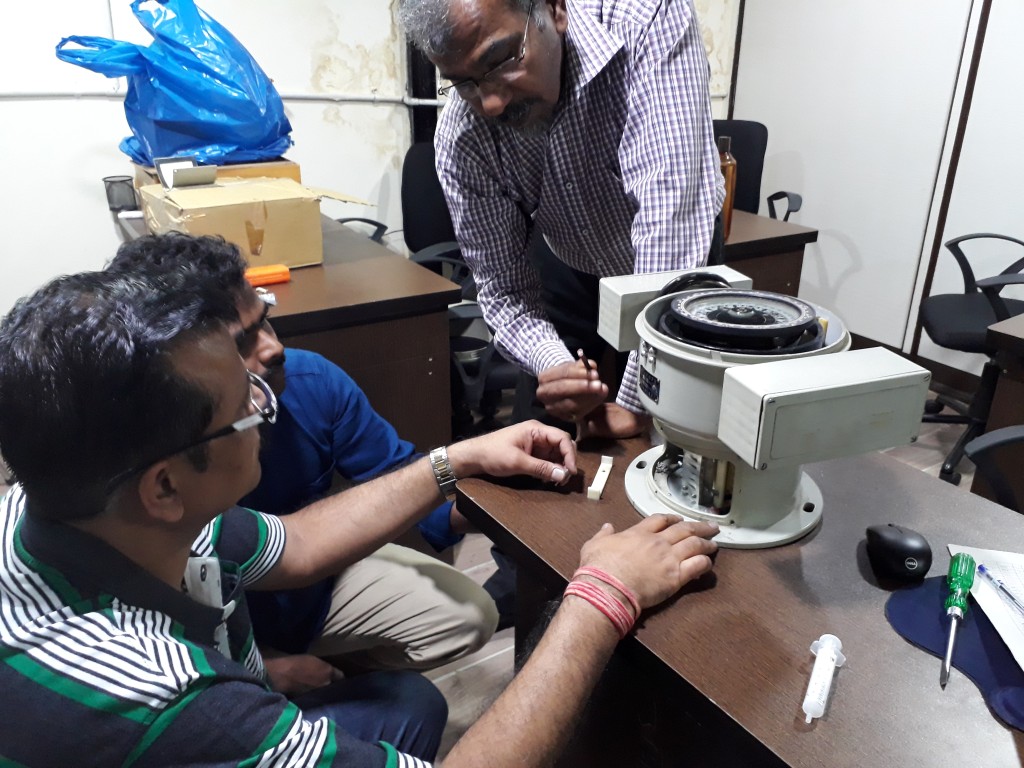
Magnetic compass repair

In the world of maritime navigation, the magnetic compass is one of the most reliable and essential tools onboard a vessel. Even in the age of advanced electronic systems like GPS and gyrocompasses, the magnetic compass serves as a vital backup for determining a ship’s direction, especially in cases of electronic failure. However, over time, the magnetic compass can suffer from wear and tear, exposure to external elements, and the ship’s own magnetism, which can degrade its accuracy. This is where magnetic compass repair becomes essential.

In this blog, we will explore the importance of magnetic compass repair, common issues that arise, and the steps needed to keep your compass in top working condition.


Why is Magnetic Compass Repair Important?

A malfunctioning or inaccurate magnetic compass can have serious consequences for maritime navigation. If the compass is not working properly, it could lead to significant errors in the ship’s course, risking the safety of the vessel, its crew, and cargo.

Here are some key reasons why magnetic compass repair is vital:

  1. Safety and Reliability
    The magnetic compass serves as a reliable backup in the event of an electronic failure. Keeping it in proper working condition ensures that the crew can continue navigating accurately, even when other systems are compromised.
  2. Regulatory Compliance
    International maritime regulations, such as SOLAS and IMO Assembly Resolution A.382(X), require that a ship’s magnetic compass be maintained and calibrated regularly. Failure to comply with these requirements can lead to fines, detentions, or operational delays during inspections.
  3. Reducing Navigational Errors
    Even minor compass errors can accumulate over long voyages, leading to significant deviations in a ship’s intended route. Repairing and maintaining the compass ensures accurate readings and reduces the risk of navigational mistakes.
  4. Prolonging the Lifespan of the Compass
    Regular maintenance and timely repairs can significantly extend the life of the magnetic compass, ensuring that it continues to perform well for years to come.

Common Magnetic Compass Issues

There are several issues that can affect the performance of a magnetic compass, requiring repair and maintenance. Some of the most common problems include:

  1. Air Bubbles in Compass Liquid
    One of the most frequent issues is the formation of air bubbles in the compass liquid. These bubbles can cause reading inaccuracies by interfering with the movement of the compass card. The repair process involves removing the bubbles, often by refilling the compass with the appropriate liquid.
  2. Compass Card Sticking
    A sticking compass card is another common issue. This can happen due to dirt, debris, or mechanical failure inside the compass housing. Repairing this involves carefully disassembling and cleaning the compass, as well as checking for any worn or damaged parts.
  3. Magnetic Interference
    Magnetic interference from nearby electrical equipment or cargo with magnetic properties can distort the compass readings. Regular checks and adjustments should be made to ensure that the compass is not being affected by such interference. Repair may involve relocating or shielding magnetic equipment from the compass.
  4. Degraded Compass Liquid
    Over time, the liquid inside the compass can degrade or become contaminated, leading to improper functioning of the compass card. Replacing the liquid with the correct type is necessary to restore the compass’s accuracy.
  5. Damaged Binnacle or Mounting
    Physical damage to the compass binnacle or mounting can result from rough seas, mishandling, or accidents. Repairing or replacing these components ensures the compass remains properly aligned and functional.

Steps in Magnetic Compass Repair

Magnetic compass repair is a specialized task that requires a thorough understanding of compass mechanics and the principles of magnetism. Here are the key steps involved in a typical repair process:

  1. Inspection and Diagnosis
    The first step in any repair is to carefully inspect the compass for signs of damage, air bubbles, liquid degradation, or misalignment. This helps determine the specific issue that needs addressing.
  2. Disassembly and Cleaning
    If the compass card is sticking or debris has entered the housing, the next step involves disassembling the compass and cleaning each component. This ensures that there are no obstructions to the free movement of the card.
  3. Refilling or Replacing Compass Liquid
    If air bubbles are present or the liquid has degraded, the repair technician will drain the existing liquid, clean the interior, and refill it with the appropriate liquid, ensuring no air is trapped inside.
  4. Testing and Calibration
    Once the repairs are complete, the compass is tested for accuracy. Adjustments are made to correct any remaining deviation, ensuring that the compass readings are reliable and meet international standards.
  5. Final Inspection
    After all repairs and calibrations, a final inspection is carried out to ensure that the compass is working properly and that it complies with maritime regulations.

Who Should Handle Magnetic Compass Repairs?

While basic compass maintenance, such as checking for deviation and performing small adjustments, can be handled by the ship’s officers, full repairs should be carried out by qualified compass adjusters or certified repair technicians. These professionals have the necessary tools, knowledge, and certification to perform repairs and ensure that the compass meets regulatory standards.


Why is Professional Training for Compass Repair Important?

Understanding how to repair a magnetic compass is not just for specialized technicians. Ship officers, navigational personnel, and maritime professionals can benefit greatly from acquiring these skills through magnetic compass adjuster training. Learning the ins and outs of compass repair and adjustment can save time, reduce costs, and help keep your vessel compliant with international regulations.


Conclusion

Magnetic compass repair is an essential part of maritime navigation. Ensuring that the compass is free of errors, properly maintained, and compliant with regulations can significantly impact the safety and efficiency of your voyage. Whether you’re dealing with air bubbles, sticking compass cards, or degraded liquid, timely repairs can make all the difference.


Get Trained in Magnetic Compass Repair and Adjustment

Looking to gain hands-on experience in magnetic compass repair and adjustment? Our Magnetic Compass Adjuster Course provides comprehensive training on compass maintenance, calibration, and repairs. Led by experienced professionals, this course will equip you with the knowledge and skills to ensure your vessel’s compass remains in optimal working condition.

Click here to learn more about our Magnetic Compass Adjuster Course and register today!

Magnetic Compass Repair: A Critical Skill for Navigational Safety was last modified: September 22nd, 2024 by admin
Published 22/09/2024

Magnetic Compass Calibration: A Complete Guide

Magnetic compass Calibration

For centuries, the magnetic compass has been an essential tool for maritime navigation. Even in today’s world of advanced electronic navigation systems, the magnetic compass remains a crucial backup for ensuring a vessel’s heading. However, like any navigational instrument, a magnetic compass can become inaccurate over time. This is where magnetic compass calibration comes into play.

Regular calibration is necessary to maintain the accuracy of the compass and to ensure it provides reliable data during voyages. In this blog, we’ll explore the importance of compass calibration, how it’s done, and why it’s a crucial skill for maritime professionals.


What is Magnetic Compass Calibration?

Magnetic compass calibration is the process of fine-tuning a ship’s compass to ensure it gives accurate readings, free from significant errors caused by the vessel’s own magnetic field. The primary goal of calibration is to reduce or eliminate compass deviation, which can occur due to the magnetic influence of the ship’s structure and onboard equipment.

This process involves adjusting various correctors, such as magnets and soft iron bars, which are specifically designed to counteract the ship’s magnetism. Over time, these correctors need to be adjusted as the ship’s magnetic environment changes due to structural modifications, new equipment installations, or prolonged exposure to external magnetic fields.


Why is Magnetic Compass Calibration Important?

A magnetic compass is exposed to a variety of magnetic influences while at sea, many of which can distort its readings. Errors in the compass, if left unchecked, can lead to navigational mistakes, which may result in dangerous situations for the vessel, crew, and cargo.

Here are some reasons why compass calibration is critical:

  1. Safety at Sea
    An uncalibrated compass can mislead the navigator, especially when electronic navigation systems fail or malfunction. Ensuring that the magnetic compass is calibrated means having a reliable backup, which is crucial in emergency situations.
  2. Regulatory Compliance
    International regulations, such as SOLAS and guidelines from OCIMF, require that magnetic compasses remain within strict deviation limits. Failure to calibrate the compass may lead to findings in SIRE inspections and could result in penalties or delays for the vessel.
  3. Prevention of Navigational Errors
    Even a small deviation in a ship’s heading can lead to navigational errors over long distances. Calibration ensures that these errors are corrected before they become a significant issue, saving both time and resources.
  4. Operational Efficiency
    A calibrated magnetic compass enhances the overall operational efficiency of a vessel, as accurate readings reduce the risk of course corrections and unnecessary delays.

When Should a Magnetic Compass Be Calibrated?

Magnetic compass calibration should be carried out under certain conditions to ensure it remains accurate throughout the vessel’s lifecycle. Some of these conditions include:

  • After Installation: When a new magnetic compass is installed on a vessel, calibration is essential to account for the magnetic influences of the ship’s structure.
  • Following Structural Changes: Any changes to the ship’s structure, such as repairs, retrofitting, or the installation of new equipment near the compass, can affect the ship’s magnetism. Calibration should be done after such changes to restore accuracy.
  • Significant Deviations Detected: If the compass consistently shows deviations that exceed acceptable limits, calibration is necessary.
  • Periodic Calibration: International maritime regulations often require periodic compass checks and calibrations to ensure continued accuracy.

How is Magnetic Compass Calibration Performed?

The process of calibrating a magnetic compass involves several steps, most of which require specialized knowledge and instruments. Here’s a simplified breakdown of how it’s done:

  1. Measuring Compass Deviation
    The first step is to assess the current deviation of the compass by comparing its readings with a known true heading, such as from the gyrocompass or transmitting magnetic compass repeater. This is done on different courses to detect how much the magnetic compass deviates on each heading.
  2. Adjusting Correctors
    Once deviations are measured, the next step involves adjusting the compass correctors, such as fore-and-aft magnets, athwartships magnets, and soft iron correctors. These adjustments are designed to counteract the magnetic influences of the ship.
  3. Testing and Monitoring
    After making the necessary adjustments, the compass is re-tested to ensure that the deviation has been minimized. Ongoing monitoring is also important, as regular checks help identify any future errors.
  4. Recording Deviation
    A compass deviation card is updated or prepared after every calibration to record the residual deviation on various headings. This ensures that the crew is aware of any minor errors that remain and can adjust their navigation accordingly.

The Role of Professionals in Magnetic Compass Calibration

While it’s possible for ship masters and navigational officers to make minor adjustments to the compass, major calibration work is usually carried out by a certified compass adjuster. These professionals are trained to use specialized equipment, such as Gauss meters, and have a deep understanding of the ship’s magnetism and the principles behind compass deviation.

However, with proper magnetic compass adjuster training, ship officers and other maritime professionals can acquire the necessary skills to perform compass calibration, allowing them to handle adjustments in-house and ensure the compass remains in optimal condition throughout the voyage.


Conclusion

Magnetic compass calibration is a vital part of maritime navigation that ensures the accuracy of your vessel’s heading, keeps your ship compliant with international regulations, and enhances safety at sea. Understanding how to perform compass calibration, or having trained personnel on board, can save time, reduce costs, and ensure smooth sailing.


Get Professional Training for Magnetic Compass Calibration

Want to learn how to properly calibrate and adjust a ship’s magnetic compass? Our Magnetic Compass Adjuster Course provides hands-on training, covering everything from theoretical foundations to practical application. By the end of the course, you’ll have the skills and confidence to perform compass calibrations, ensuring that your vessel’s compass remains accurate and compliant.

Magnetic Compass Calibration: A Complete Guide was last modified: September 22nd, 2024 by admin
Published 22/09/2024

Magnetic Compass Adjuster Training

magnetic compass adjuster course

In maritime navigation, the accuracy of a ship’s magnetic compass is crucial for safe passage. Ships rely on magnetic compasses for precise heading information, especially when traveling long distances across open seas. However, compasses can develop errors due to the influence of the ship’s own magnetism, which can lead to incorrect readings. This is where Magnetic Compass Adjuster Training comes into play.

If you’re responsible for the safe operation of a vessel or work in the maritime industry, knowing how to adjust and maintain a magnetic compass is an invaluable skill. Here’s why magnetic compass adjuster training is essential and what it typically entails.


Why is Magnetic Compass Adjustment Important?

Over time, a ship’s magnetic compass can develop errors due to various factors such as the ship’s movement, structural changes, and the installation of nearby magnetic equipment. These errors, known as deviation, are caused by the ship’s induced magnetism and can lead to significant inaccuracies in navigation.

Without proper adjustment, compass errors can exceed safety thresholds, leading to potential SIRE findings, vetting issues, and even operational delays. Maritime authorities, such as OCIMF and SOLAS, have strict guidelines about compass accuracy, often requiring deviations to be within 5 degrees. Regular adjustment ensures that your ship’s magnetic compass remains reliable, avoiding costly penalties and ensuring smooth navigation.


What Does Magnetic Compass Adjuster Training Involve?

Magnetic compass adjuster training is designed to equip mariners with the skills to identify, correct, and maintain magnetic compass errors. Here are the key components typically covered in a professional training course:

  1. Understanding Compass Errors
    Trainees learn how magnetic errors, such as deviation and variation, affect the accuracy of a magnetic compass. The course explores the difference between natural magnetic variations and errors induced by the ship’s magnetism.
  2. The Science Behind Compass Adjustment
    The training delves into the principles of adjusting a magnetic compass. This involves understanding how the ship’s magnetism interacts with the Earth’s magnetic field, and how to compensate for these interactions using correctors such as heeling magnets and soft iron correctors.
  3. Using Instruments for Adjustment
    One of the critical skills taught is the use of specialized instruments like the Gauss meter to measure the ship’s magnetism. Understanding the equipment is crucial for making precise adjustments.
  4. Practical Compass Adjustments
    Hands-on training is a key aspect of the course, allowing participants to practice adjusting magnetic compasses on board vessels. This practical application helps build confidence in real-world scenarios.
  5. Recording and Monitoring Deviations
    During the training, participants are taught how to record deviation data and monitor it regularly. Keeping an up-to-date compass deviation log is essential for identifying the need for future adjustments and maintaining compliance with maritime regulations.
  6. Compliance with Maritime Standards
    The course also covers key maritime regulations, including SOLAS, IMO Assembly Resolutions, and STCW requirements. This ensures participants are fully aware of the legal implications of compass maintenance and adjustment.

Who Should Attend Magnetic Compass Adjuster Training?

This training is essential for anyone involved in the navigation or maintenance of maritime vessels, including:

  • Ship Masters and Navigational Officers
    The course enables them to perform compass adjustments themselves, reducing the need for costly external adjusters and ensuring the ship remains compliant.
  • Electronic Navigational Aid Technicians
    Those involved in maintaining or servicing navigational equipment benefit from understanding how the ship’s magnetism affects compass accuracy.
  • Maritime Safety Officers
    Ensuring the vessel’s compass remains accurate and compliant with maritime regulations is a crucial aspect of overall ship safety.

Benefits of Magnetic Compass Adjuster Training

  1. Cost Savings
    Having a trained crew member perform compass adjustments can save ship operators from outsourcing these services to external professionals.
  2. Operational Efficiency
    Regular compass adjustment ensures that navigational errors are minimized, keeping operations smooth and reducing the risk of delays due to non-compliance.
  3. Enhanced Safety
    An accurate magnetic compass is crucial for safe navigation. Proper adjustment ensures the crew can trust their heading, reducing the risk of navigational errors, particularly during critical operations such as docking and course changes.

Final Thoughts

In an industry where precision is paramount, having trained professionals on board who understand how to adjust a magnetic compass is a game-changer. With proper magnetic compass adjuster training, ship masters and officers can not only avoid costly external adjustments but also ensure their vessel remains compliant with international maritime regulations.


Learn More About Magnetic Compass Adjuster Training

If you’re looking to enhance your skills and perform compass adjustments confidently, consider enrolling in our Magnetic Compass Adjuster Course. Our comprehensive training covers everything from theoretical knowledge to hands-on practice, ensuring you’re fully prepared to adjust and maintain magnetic compasses on board your vessel.

Click here to learn more about our Magnetic Compass Adjuster Course and register today!

Magnetic Compass Adjuster Training was last modified: September 22nd, 2024 by admin
Published 22/09/2024

Barge Supervisor / Barge Master Salary: What You Need to Know

Barge Supervisor Barge Master Marine Planner

The offshore oil and gas industry offers lucrative opportunities for those who are qualified and experienced, particularly in supervisory roles such as the Barge Supervisor. If you’re considering advancing your career in the offshore sector, you may be curious about the earning potential and the factors that influence the salary of a Barge Supervisor. In this blog, we’ll break down the average salary for Barge Supervisors, the key factors affecting pay, and how you can position yourself for a high-paying role in this exciting industry.


What is a Barge Supervisor?

A Barge Supervisor plays a vital role in the management of non-propulsion vessels, including jack-up rigs, accommodation platforms, and construction barges. They are responsible for overseeing daily operations, ensuring the safety of the crew, and maintaining vessel stability.

Some of the core responsibilities include:

  • Managing crew operations and ensuring compliance with safety protocols.
  • Monitoring vessel stability during operations such as lifting or positioning.
  • Ensuring proper communication between the crew and onshore management.
  • Supervising emergency drills and maintaining readiness for any potential incidents.

Due to the complexity of these responsibilities and the offshore environment’s high-risk nature, Barge Supervisors are well-compensated for their expertise.


Average Salary of a Barge Supervisor

Salaries for Barge Supervisors can vary depending on several factors, including the geographical location, the type of vessel, and the level of experience. However, here’s a general breakdown of what you can expect as a Barge Supervisor:

  1. Entry-Level Barge Supervisor Salary
    • India: Entry-level salaries for Barge Supervisors in India typically range from INR 12,00,000 to INR 15,00,000 per year.
    • International: On an international scale, entry-level Barge Supervisors can earn between USD 60,000 to USD 80,000 annually.
  2. Mid-Level Barge Supervisor Salary
    • India: With 5-10 years of experience, Barge Supervisors in India can expect salaries in the range of INR 18,00,000 to INR 24,00,000 per year.
    • International: Globally, mid-level Barge Supervisors typically earn between USD 80,000 to USD 100,000 per year.
  3. Senior-Level Barge Supervisor Salary
    • India: Senior Barge Supervisors, with over 10 years of experience, can earn salaries upwards of INR 25,00,000 per year.
    • International: Highly experienced professionals can earn USD 100,000 to USD 120,000 or more annually, depending on the company and region.

In addition to base salaries, Barge Supervisors often receive bonuses, hazard pay, and other benefits such as accommodation, meals, and travel allowances, which can significantly increase their overall compensation.


Factors Influencing Barge Supervisor Salaries

Several factors can affect the salary of a Barge Supervisor, including:

  1. Location
    Offshore operations in regions such as the Middle East, North Sea, and Gulf of Mexico often pay more than other regions due to the complexity and scale of the projects. Salaries for Barge Supervisors working in India and Southeast Asia may be lower, but the cost of living is also significantly less.
  2. Type of Vessel
    Working on a jack-up rig, semi-submersible, or drilling barge usually offers higher compensation than accommodation or construction barges due to the greater responsibility and operational risks involved.
  3. Experience
    As with most roles, experience plays a huge part in determining salary. Senior Barge Supervisors with over 10 years of experience can command much higher salaries than those new to the role.
  4. Certifications
    Holding an internationally recognized certification, such as the Barge Supervisor / Barge Master Certificate, can significantly boost your earning potential, particularly in the global offshore job market.

How to Increase Your Salary as a Barge Supervisor

If you’re looking to maximize your earning potential as a Barge Supervisor, here are a few steps you can take:

  1. Gain Specialized Certifications
    Pursuing advanced training and certification, such as a Barge Supervisor / Barge Master Course, can help you stand out to employers and qualify for higher-paying roles.
  2. Accumulate Offshore Experience
    The more experience you gain in offshore operations, the higher your salary prospects. Be open to international opportunities where you can gain diverse experience in different environments and on various vessel types.
  3. Work in High-Paying Regions
    While salaries vary by region, countries in the Middle East, North America, and Europe tend to offer higher compensation packages for offshore workers.
  4. Consider Senior Roles
    As you gain more experience, you can pursue senior roles such as Offshore Installation Manager (OIM) or Barge Master, which come with greater responsibilities and higher salaries.

Ready to Boost Your Career and Salary?

If you’re looking to advance your career and increase your salary as a Barge Supervisor, getting the right training and certification is essential. Our Barge Supervisor / Barge Master Course provides you with the comprehensive skills and knowledge you need to excel in this role and maximize your earning potential.

Click here to learn more about our course and start your journey toward a rewarding career in the offshore industry today!

Barge Supervisor / Barge Master Salary: What You Need to Know was last modified: September 22nd, 2024 by admin

Posts navigation

Older posts
Newer posts
  • Facebook
  • Youtube
  • Instagram
  • Linkedin
  • Site Map
  • Privacy Policy
  • Terms and Conditions
  • Cancellation and Refund
  • Shipping and Delivery
  • RazorPay Payment Link
  • WhatsApp Contact
Copyright © 2025 Elite Offshore Academy. All rights reserved.
Facebook
Facebook
fb-share-icon
Set Youtube Channel ID
Share